Showing posts with label Reasons For Filing. Show all posts

Wednesday, May 17, 2023

Thinking of Filing Bankruptcy: Questions You Should Ask

 Are you thinking of filing bankruptcy.  Many people think they need to file bankruptcy based on things their non attorney friends tell them, or things they have heard in the media.  Bankruptcy is a very important decision, and should not be made without competent counseling and research.

To assist you in educating yourself as to whether bankruptcy is a remedy you should pursue, here are a list of questions and topics for your consideration. 

Initial questions

  • What is bankruptcy?
  • Why might someone file for bankruptcy?
  • Why might someone NOT file for bankruptcy? 
  • What are the alternative to filing for bankruptcy?

What are the types of bankruptcy for individuals?

  • Chapter 7 bankruptcy
  • Chapter 13 bankruptcy
  • Chapter 11 bankruptcy
  • Chapter 12 bankruptcy

The bankruptcy process

  • What happens when you file for bankruptcy?
  • What are the benefits of bankruptcy?
  • What are the drawbacks of bankruptcy?
  • What are the financial considerations?
  • What are the personal considerations?
  • What are the latest developments related to bankruptcy?

Filing for bankruptcy

  • How to choose the right type of bankruptcy
  • How to prepare for bankruptcy
  • How to file for bankruptcy

Professionals

  • Should you hire an attorney?
  • What does the attorney include?
  • What does the attorney exclude?
  • Other questions for the attorney?

After Bankruptcy 

  • How to rebuild your credit after bankruptcy

Conclusion

  • What happens after you file for bankruptcy?
  • Should you file for bankruptcy?

This is is not intended to be an exhaustive or comprehensive list.  This is simply intended to give you initial guidance towards a logical decision making process related to bankruptcy.

Should you have any questions about bankruptcy, you should contact a competent bankruptcy attorney in your area.

J. Dinkins G. Grange, Esquire


Wednesday, March 9, 2022

How to Discharge a Student Loan

You may have heard bankruptcy is good for discharging all your debts with a few exceptions.  Among these exceptions are student loans. Well the common thought is student loans are not dischargeable in bankruptcy, there are exceptions to this rule as found in 11 USC Section § 523(a)(8) which says a student loan is only dischargeable if it is an undue hardship. The problem is "undue hardship" is not defined within the Bankruptcy Code.

Fortunately we have a court case from 1987 (in re: Brunner) which attempted to define undue hardship through a test.  This case has been followed by a majority of the courts, and the Brunner Test has been further honed through court cases around the country.  The Brunner Test requires the debtor show by a preponderance of the evidence that:

(1) the debtor cannot maintain, based on current income and expenses, a minimal standard of living if forced to repay his or her student loans;

(2) additional circumstances exist indicating that this state of affairs is likely to persist for a significant portion of the repayment period for the applicable student loans; and

(3) the debtor has made good faith efforts to repay the loans.

 The test above presents its own challenges. It does not define current income and expenses. For example, it may or may not include income from family or charity, and while many would consider expenses to include shelter, food, utilities, transportation, and healthcare, expenses are not defined in the Brunner Test.

Within the second prong of the test, it doesn't outline what happens if the original payment period has expired.

The third prong fails to establish what happens if the debtor's income is not sufficient to make a good faith effort to repay the loan.  This actually seems to come full circle back to the first prong that includes income, because one's income directly effects ones ability to make "a good faith effort" to repay.

So if you have a student loan you think might be dischargeable under the Brunner Test, you should seek the advice of a competent bankruptcy attorney in your area, as this area of the law is constantly changing.

Friday, December 10, 2021

5 Ways To Avoid Debt And Bankruptcy

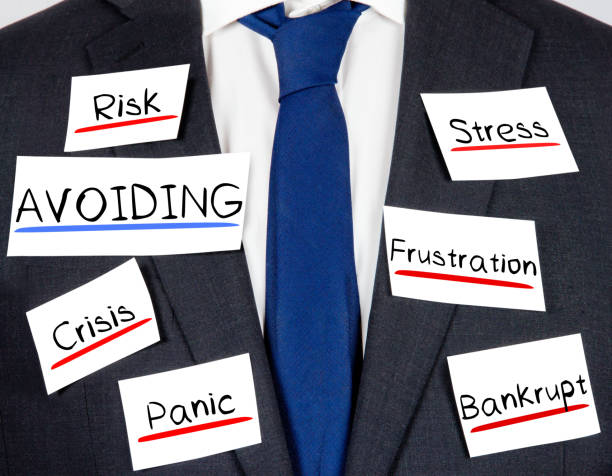
 Business suit Photo of business suit and tie with AVOIDING concept paper cards avoiding debt stock pictures, royalty-free photos & images 

I know this article’s title is about staying out of debt and avoiding bankruptcy, but how does one get into debt in the first place? While the question may seem complex, the answer is really very simple. All it takes is a few swipes of a credit card, that financing companies are more than happy to give to you, and there you are, in debt. And to make sure you get into debt, the credit card companies will make sure to raise your credit limit if you are not already in debt.

So, what are some tricks to staying out of debt before having to look at alternatives such as bankruptcy? Here are 5 suggestions I found in a Yahoo finance post that are straight forward, but sometimes we need to be reminded when we can’t see the forest because the trees are in the way. So, anyway, here we go.

First. Use cash, use cash, use cash. That is, always use cash. The above text serves as a good introduction. Using cash will make you think twice about your purchases. It forces you to think about how much you are spending, instead of simply handing over a credit card. It has the additional advantage of not having to worry about how to pay that credit card later. It makes it much more difficult to overspend, and give you an incentive to more closely budget your money.

Second. Track spending. This obviously goes along with budgeting, but when you track your spending, you can see where you money is going, and what spending habits may need to be adjusted. It is the unnecessary spending that can lead to debt.

Third. Spending Triggers: Avoid Them. Some people spend money on things based on outside pressures. These pressures include stress, relationships, having a good day or a bad day, social pressures, credit cards, boredom, social media pressure, addiction, etc. The next time you spend on something you do not NEED, pay attention to what is causing you to make the purchase; what is behind making this impulse purchase.

Forth. Saved Payment Information: Delete It. Making electronic purchases can, in some ways, be worse than using a credit card at the store. At the store, you are at least forced to retrieve your credit card and tap, swipe or insert it to use it. When you make an electronic purchase, all you have to do is click on a button to make a purchase if your payment and shipping information is stored on the device. This currently seems to be the ultimate in impulse spending.

Fifth. Set Goals. When you are focused on a goal concerning your financial stability, or the purchase of something you need (or not need), it will help you focus on how your money is allocated. You will spend more attention to purchases, and how the purchase is either helping or preventing you from obtaining your goal.

The above is not a comprehensive list of things you should do to keep you out of debt, but it is a great start. For further advice, if you can find a conservative bankruptcy attorney in your area, that is, one that puts bankruptcy as a last case alternative to handling debt, he or she should be able to give you some excellent advise toward helping you avoid the need to file bankruptcy, and can also give you advise on things to do, and to avoid, that will keep bankruptcy as an option should you find it necessary to go down that road.

Wednesday, July 29, 2020

Covid 19: Tsunami of Evictions, Foreclosures and Bankruptcies

WE ARE about to see a tsunami of bankruptcies and foreclosures as the result of Covid 19 pandemic.

Over the past couple of months, the legal profession throughout the United States has been forecasting a tsunami of clients running to attorneys.  One of the consequences of the current pandemic is very simple.  People are out of work, either temporarily or permanently, at least with their most recent employer.  And of many of the people back to work, there hours have been cut, as employer's businesses, especially in the hospitality industry, is only at a small percentage of what it should be.  This is a result of the pandemic as a substantial portion of the population is staying at home.

Lately the government, both nationally and locally, has taken action to provide relief to debtors and renters, to the dismay of mortgagees and landlords, in putting a moratorium on evictions and foreclosures.  So debtors out of work would not have to worry about being evicted or foreclosed on.  However, with a landlord not receiving rent, and being unable to evict a tenant, the landlord involuntarily gets behind on mortgage payments.

So, what is the result of the end of the moratorium on legal actions involving real property?  I predict we will see a mountain of foreclosures and bankruptcies like we have not seen in a long time.  The end of the moratorium will be the equivalent of opening the flood gates.  Numerous agencies will be hit hard, including those public and private agencies dealing with the homeless.

Of the limited avenues of relief available to debtors, the Federal Government has Title 11 of the United States Code available, more affectionately known as "Bankruptcy".  There are currently 4 chapters of bankruptcy under which an individual can file, known as a Chapter 7, 11, 12, and 13.  Each chapter is unique and serves several purposes.  While one can research these on their own, I recommend setting up a consultation with an local bankruptcy attorney to get advise concerning your particular situation, as the provisions of the bankruptcy code are complicated.  I also recommend setting an appointment sooner rather than later, as you may have trouble getting in to see someone if you wait too long.

Wednesday, January 15, 2020

What Happens To Repossessed Property Upon Filing Bankruptcy


So, you had some personal property repossessed.  Now what.  Can you get it back?  If so, what do you have to do?  When do you have to do it?  Do you need an attorney?

Well, the answer is, like in so many cases, "It Depends."  I know that response may sound outdated, but in the bankruptcy world, it is anything but outdated.


How does this work with bankruptcy?

When one files bankruptcy, there is something that automatically comes into play without the need for a court order, referred to as an "automatic stay".  It stays creditors from initiating collection efforts or proceeding with collection efforts.  Some appellant courts have interpreted this as meaning repossessed property had to be returned to the debtor (with some exceptions) automatically, or the creditor could face sanctions for violating the automatic stay.  This is the holding in the Second, Seventh, Eighth, Ninth and Eleventh Circuits.

To the contrary, the Tenth Circuit and the District of Columbia have interpreted the code provision as meaning the property may have to be returned, or face sanctions, only after a court order has been entered.

So, which of the courts are correct?

Hopefully we will soon find out.  This is a question that is before the Supreme Court of the United States, for which has been granted a Writ of Certiorari in December of last year, in City of Chicago, Illinois vs. Fulton (19-357).


This issue has been extensively written about for over a decade.  If you have property that has been seized by a creditor, I highly recommend you seek the advice of a competent bankruptcy attorney in your area for advise ASAP, as your rights may be negatively effected with the passage of time.

Tuesday, November 28, 2017

How To Pick a Bankruptcy Attorney

https://media.istockphoto.com/photos/woman-discussing-ideas-and-strategy-in-studio-office-picture-id637928380?s=170x170

 I, along with all bankruptcy attorneys in Northeast Florida, receive calls on a regular basis asking what our fees are for filing bankruptcy.  I suspect these people essentially don't know what they don't know.  If the caller is planning on filing bankruptcy, he or she is asking the wrong question. 

Bobby Wilbert, a bankruptcy attorney in Jacksonville, Florida, recently posted a link on his website to a concise blog page I thought was very good concerning picking an attorney, posted by Cathy Moran.  She relates the hiring of a bankruptcy attorney to picking a coach, not calling around for the cheapest price or looking for the attorney that shows up first in search results on the internet.  The link to the article is 
https://www.bankruptcyinbrief.com/selecting/

Monday, February 27, 2017

Bankruptcy: An Effective Social Policy That Reduces Stress, Live Longer

Over the past 15 years or so, people have come into my office to file bankruptcy for many different reasons.  While no 2 bankruptcies are the same, they generally wind up falling into one of two distinctive categories: financial or debt relief, and relief for medical reasons.

While the first of these 2 categories may seem obvious, as that is what is disseminated through the various news agencies, the other is rarely, if ever, mentioned.  Financial or debt relief is obvious, and is centered around the construction, and reconstruction, of the bankruptcy code, its rules, and most case law, while the two are actually inextricably intertwined.  The other being medical, does not appear to have been contemplated  by congress.

There are two forces at work here.  The first is on the debt collection side.  They are either trying to collect on money lent to the debtor, or collecting on moneys owed to the creditor for some other reason, such as a judgment.  The creditor simply wants to be paid moneys owed to them, and when the debt is beyond a debtor's means of being able to pay, the debtor is forced to look at other means of relief, such as bankruptcy.

The other construct being medical, is almost exclusively from the debtor's side.  Collection efforts are initiated with little regard to a particular debtor's circumstances.  A debtor may have medical bills resulting from heart or blood pressure issues, or the debtor may have unresolved mental issues.  The tactics used by debt collectors push people to resort to legal remedies, including bankruptcy, to reduce stress, lower blood pressure, and conform mentally with doctor's recommendations.

According to a paper released by the National Bureau of Economic Research, "economists Will Dobbie and Jae Song examine 500,000 bankruptcy filings in the United States to measure the effect of bankruptcy laws on consumers. They found that the bankruptcy code is an incredibly effective social insurance policy. According to their findings, getting approved for Chapter 13 bankruptcy protection 'increases annual earnings by $5,562, decreases five-year mortality by 1.2 percentage points, and decreases five-year foreclosure rates by 19.1 percentage points.'"

"The paper's authors argue that bankruptcy protection helps workers earn more by removing the disincentive to work resulting from creditors garnishing worker's paychecks. If a person's wages are garnished to the point that it didn't pay to continue working, they often decide to stop working altogether.

The study also found that bankruptcy also helps people live longer, due likely to the fact that dealing with debt problems, rather then letting them fester, significantly reduces stress. Chapter 13 bankruptcy also allows people to stay in their homes because it is designed specifically to allow borrowers to avoid foreclosure."

To read the complete article, see bankruptcy-law-inequality-income

Monday, July 6, 2015

Bankruptcy Preparation Mistakes

So, you have decided you need to file bankruptcy.  Now what?  How should I plan for the bankruptcy?  What should I do?

Rule Number 1:  The Bankruptcy Code is NOT necessarily logical.  Congress passed it, and Congress does not have to be logical.

Rule Number 2:  If you think you are doing things to help yourself regarding the filing of a bankruptcy, you are probably hurting yourself.

Rule Number 3:  Remember Rules 1 and 2.


Don't make the following mistakes:

1.    The Credit Card Run-Up Mistake
2.    The Repay a Family Member or Friend Mistake
3.    The Liquidate Your Retirement Account Mistake
4.    The Home Equity Line of Credit/Second Mortgage to Pay Debt Mistake
5.    The Pay Off/Down Your Car Loan Mistake
5.    The Transfer Property Out of Your Name Mistake
6.    The Failure to Appear at a Court Hearing Mistake
7.    The Failure to Tell Your Attorney The Truth, The Whole Truth, and Nothing But The Truth Mistake
8.    The Student Loan Mistake


Volumes can be written on the forgoing.  If you are planning to file bankruptcy, make sure to consult with a competent bankruptcy attorney in your area, so you can properly plan for the bankruptcy.

Thursday, June 25, 2015

How To Surrender Property in Bankruptcy

Bankr MD Fla: How does a Debtor SURRENDER Real Property in bankruptcy? 

I received an email from another attorney in Jacksonville, Florida, Bobby Wilbert, that states, in part:

This is a big issue here in Florida when debtors just wanna walk away and be done with it. At a minimum, "surrender" under Bankruptcy Code §§ 521 and 1325 means a debtor cannot take an overt act that impedes a secured creditor from foreclosing its interest in secured property. Although "surrender" is not defined in the Bankruptcy Code, the First and Fourth Circuits have interpreted that term to mean a debtor must relinquish any rights in the secured property—including the right of possession—and make it available to the secured creditor.  

The rub in all this is, you can not make a creditor take the property.  

This becomes most relevant with properties that have homeowner association fees, which the debtor will be responsible for, post discharge.

However, fortunately, most property surrendered is by a mutual agreement between the creditor and the debtor.

Friday, March 13, 2015

Dealing With Student Loans In Chapter 13

I recently received the following letter (in pertinent part) from the National Association of Consumer Bankruptcy Attorneys (NACBA):

Following an excellent last with in bankruptcy court with an attorney for the Department of Education, I wanted to let others know that, with huge amounts of assistance and advice from John Rao and NACBA, borrowers are likely soon going to be able to enroll in income driven repayment plans while in a Chapter 13 bankruptcy case.

My case will be, and the Department of Education agrees, the first time where a Chapter 13 Debtor has been allowed to enroll in a IBR. Previously, they have simply refused or ignored requests, depriving Chapter 13 debtors of some very valuable options regarding their student loans.

This will be a huge development and one that will open up many other opportunities for student loan debtors, including starting down the road to obtaining cancellation or, even better, Public Loan Forgiveness while in bankruptcy.

It may also lead to being able to have defaults on student loans waived through bankruptcy, rather than rehabilitating or consolidating loans, with the resulting 18.5% penalty. Just imagine marketing Chapter 13 as a way to help get clients back on track with student loans without taking that hit!

Also, currently there are no real options for curing a default under a income driven repayment plan, meaning that once a problem arises, the borrower may have to start again at square one. Chapter 13, however, allows the cure or waiver of ANY default, including under an IBR.

And, as a practical concern, joining income driven repayment of student loans with Chapter 13 bankruptcy, not only helps deal with the borrower's entire financial situation, but it provides a mechanism for paying attorneys' fees for this assistance. (Attorneys' fees in excess of the regular bankruptcy fees!)

There are very real complications with this, from the specific language to be used, to enrolling borrowers in an IBR, to bankruptcy issues such as separate classification, good faith and feasibility.

And while we believe that these options for debtors are available under the Code and in plan confirmation even over objections raised by the government, we have worked to get the consent of the Department of Education, so as to avoid unnecessary litigation for you in the future. We have also started to discuss these issues with both the UST and Chapter 13 Trustees, who are increasing conscious of the fact that the inability to deal with student loans is impacting bankruptcy filings and are sympathetic to this idea.

Thursday, January 22, 2015

Congressman Delaney Introduces Student Loan Forgiveness During Bankruptcy Bill


http://marcogrup.com/wp-content/uploads/2014/10/methods_for_acquiring_individual_financial_loan_singapore-600x471.pngRep. John K. Delaney (D-Md.) introduced H.R. 449, the "Discharge Student Loans in Bankruptcy Act," to allow student loan debt to be treated like other forms of debt that can be discharged in bankruptcy proceedings, AccountingToday.com reported today.   
According to a study by the Institute for College Access & Success, 69 percent of graduates from the class of 2013 graduated with student loan debt, owing an average of $28,400.
"Student loan debt is dragging down economic growth, keeping the American Dream out of reach for many and is a monthly strain for millions," said Delaney. "Right now, there is effectively a huge student loan loophole in bankruptcy law that's hurting real people. . . It doesn't make sense for students with heavy debt burdens to be worse than someone with credit card, auto loan debt or mortgage debt."


Monday, June 23, 2014

Can You Try Too Hard To Avoid Bankruptcy?

http://i262.photobucket.com/albums/ii89/nelthurion/Endless%20fury%20forum/motivational-posters-400x3201.jpgPeople you usually of the mindset to do everything possible to pay all your bills, liquidating everything possible to try to avoid filing bankruptcy, and then, as a last resort, file bankruptcy. Bankruptcy should be a last resort, referring to a financial plan, and doing things according to the plan, not just doing things to do things. Last resort does not mean do everything you can think of, regardless of what it is.

You have heard the phrase you should do things Smart, not just Busy.
The thing about the bankruptcy code, it does not necessarily make logical sense. Often one can do something whereby they think they are helping themselves, just to find out later they were actually hurting themselves, both financially and emotionally. And all because they did not take advantage of a free bankruptcy consultation.

An example
The following is a general scenario that is not uncommon given the following general facts:
  • Double wide mobile home (12 months of payments left);
  • 5 acres of land in a rural part of county in Florida (paid for);
  • $30,000 in a retirement fund;
  • a vehicle - owed $25,000, worth $17,000; and
  • significant debt on credit cards and medical bills.
One other small fact, a recent downgrade in jobs; lower income.
Does this sound remotely familiar?
After liquidating retirement funds, refinanced the home to include the land for some money to pay bills. Later ran low on money, vehicle repossessed, and the real property sold at a Short Sale.
A bankruptcy consultation would have revealed the retirement funds could have been saved, and the home probably could have been saved. The car, depending on income and equity in the vehicle, could have probably been saved. Credit card and medical debts, most probably discharged in bankruptcy.
This is an example of waiting too long to receive a consultation so one can plan their affairs around the filing of a bankruptcy.
Please keep in mind, no 2 cases are the same. Every case is different, and you should seek the advise of a local bankruptcy attorney in your area.

Thursday, May 29, 2014

Do It Yourself Bankruptcy: Get A Free Counsultation

http://chaoticsoulzzz.files.wordpress.com/2011/12/confused-man.jpg Ever thought of doing a bankruptcy yourself. That's right, without the aid of legal counsel. There are both pros and cons to doing such a thing. The pros are obvious, at least 1 is obvious anyway; it is cheaper. That's right, doing a bankruptcy yourself, is cheaper; no attorney fees.

So, what is the downside to doing it yourself. Although you may file a legally sufficient bankruptcy, that is, one the Bankruptcy Clerk will accept, may be the beginning of your problems. I am sticking my neck out when I say this, but there are probably as many things that could go wrong with your bankruptcy are there are people that file on their own. Without being familiar with the Bankruptcy Code, Bankruptcy Rules, case law, and local rules before setting out to do it yourself, it is true your case may go through just fine, but you could have your case dismissed, unnecessarily loose property to creditors, or even end up in litigation.

data:image/jpeg;base64,/9j/4AAQSkZJRgABAQAAAQABAAD/2wBDAAkGBwgHBgkIBwgKCgkLDRYPDQwMDRsUFRAWIB0iIiAdHx8kKDQsJCYxJx8fLT0tMTU3Ojo6Iys/RD84QzQ5Ojf/2wBDAQoKCg0MDRoPDxo3JR8lNzc3Nzc3Nzc3Nzc3Nzc3Nzc3Nzc3Nzc3Nzc3Nzc3Nzc3Nzc3Nzc3Nzc3Nzc3Nzc3Nzf/wAARCADDAQIDASIAAhEBAxEB/8QAGwAAAQUBAQAAAAAAAAAAAAAABAACAwUGAQf/xAA/EAACAQMDAgUCBAUCAwcFAAABAgMABBEFITESQQYTIlFhMnEUQoGRIzNSobFiwQcWJBUlNDVT0eFykqLw8f/EABgBAQEBAQEAAAAAAAAAAAAAAAEAAgME/8QAGxEBAQEBAQEBAQAAAAAAAAAAAAERMSECUXH/2gAMAwEAAhEDEQA/ANpn2yNv3rqPnfJqPqwe1IE7nAFed6Exc4J96C1Bj5LbkCiQx6eaD1IgwN2qJ2kkiFd+1WqNnmqrSwVhSrNDtmoVOdlzk0wYzyad+XeoyTmoHPt98VndefF3GMnetAxPTms7rSGS+iVQck4GKjHYbeW69ESliB2qW38NSmXqnPp+/erywQWMKK3Spbnf/NHmaJkbpZSTyQdhQtZWHQHknYODGoGxxR66AFUmVw6jnpOKthLF0jLp9y3NdNxCowx2PfFPg2s9J4ctp0ZoiY2U7DnIoC70SS1hZy7EL8c1pGugk2EKMN8nONqbcSC6Reph0MPy+9Bef3SmN+lycH39qPs2BhGd6tNe0zzkaWPoAC4H6VV2QPlAcECow1QDcsKcFHm5Ip0S/wDVNtUqAeZvQVB4tAWGLbG9ZoPlcE1p/GW8UQ+ayoQ/pWmb1KjY4zXckCmKrbYp3fepl0k45rnUR71wLuacEYd9qkaGNOyfc/vS6dsYpBSNgKi7nNc2FOCe/FPEYbvUMRhfml3x2ohYVPJNIxqtRkR9NKpwVxxSqOPU2B3+1cBAHek59uSKaDn5bFBOyRmgdSYiE5P6UWzYOMZoDUmJiPFSHabkwLvtirFDhcDaq3TP5MYweKsEHp4pFTAkADNNPbByaWNjimsMb1JyQnG2cd65bQwC4FxMgZwcJngGndh324oI/iZJpDnpQH0k1IfqUySxMjfmyAqjJI/2rz3xNZ3dimEnm6HbAXrxWpurmWORTHsV5I5NBRyx61O0NynVEiEsGPfO2KyYzdjdX1tCPwt1J1dOCvRnH3+9X2manNeRM9zLhgOD2rmk2enrPIkpVWcjyzn6QBQOvyx2F7HcWri4gkGZEBGVPcilCrnWQV8uNcshznviidMuZbyZJuh41Q4wynBqs8+zkTzrIxkkeqKVNx8giirfWL/yk6YgOhj6hww9qi00j/wipAPWNqpbq28i4PSPSRx81ao8c9qGx5bKMjJ796EvGyVUA8Zz96hFVFkXLECpY/5m1MhwbhsZONvtXY2Pntjj5oKi8Zg9EBPuazPThf0rTeMl9EXPNZvGBkjIxWmb1zBIzml9J3rvWAPSKZ1nPIqCRek5Oa6SD3NQ9ZFOSRe4qxHkY4O9dGd8V1SnOa6ZFHBx7igmjPvT1271Cc52qMkg5NIG9art1H9K6skefpJ+TQIbfc09HGasOrDMX9A/elQ3UPelQtetMQB84po2IP709wCvfamsQF+eKSjbc/5oLUDmIntRrcZBwfmq69YsuB2oSz005t0ye21WK8bb1X6co8hN98CrDoZAC3pz2J3pBx42ppAA+9J+tDGSq+W/+relJ0hSxOAN81A5GRcdR5NZ7XNbiR3t7F1Dxjctxmua3rEVsCI3HV0EjevPUhmvA88soUE7F2xmprGvt7y5mBWUDrOMd8e9Sx6ZIrPNExWR9iOAftVbpFyVkt1mbqZtiexrd2fluoKqD7k1lMk+jTz58tXSQDYg5qCx8I6gZR5hUKc4Zu1bCTV7GAlQzOBsWiQsAfuKsLK6huQDE4P+a0NUlj4RgSIi4fzGbY4XAqzt/DlpFCUROgdt9qtFI/XNMnvVgkWIHqkb6VHNQ2qC+tDZIVLEIx5IoG7lWRsKdguD/tWh1RluLSSGRSrkdQzwcVjbYOokZ/zMenJ7UVqO2+0zkCmwkC5fbOK5bH+I++aYqkXP6bUFVeMstHGw4B3rMAM+B29q9Q0xbCW7MWoQxzFxhfNGQB3oa98ERw6ok1m/RYSEly25iPO3xTBWMsdEkuVLSSdAAzvQ1zphhcqHVu2QK9F1bQpbOzaWE+dCq8qvqH6VjNMaK6mfq+rq9+alijmtJot2QhffFReW3evQ7fQp9Rt5JLeJWhTY5O5I5xVS9jboAhUZz3FUovyyQViNqM06xe8mCBsVa6nDDFCvlKATz2oOyuXsZPMHOKli2tdCtklKXEhciq/xJFZ2xihsl9X5qOfUPOgDxAmdtlA7Gn6doJkkFxqDEu3CmrWrGTaF1wWB+K4qNyRtW31LTYkjL9PA4rNTkp6ekYzTrNgHFKiw4x9P9qVWjHrT8UwnYinsd8d6jztxsDUUR7f2qPxBYixhjeNupXG+ezd6IgXquIgd/UKm8aDpgtwcY6jQd9LQl81EkJ9KrmiVd7i8fJ9C+kD/ADUmjqLbTUZhu653rtliON5SD37Ush7vqkvYkUnoTJPttxT5GUZRsE4yRXYCbmaSQkEE4H6VBKoN0cDARP7mosn4z0jrWK7t1IUNiUA4GPesbPIGHQSufbHAr0/XofxGmzooPX07Z9q8xFjJ5fm7kZOSu4FRF6NHLPdRJGxXoO+DXodrBMY/LYlUbGTwQKyvgWEPfMzAHoO/xXoLW5nRscEYzQmU1LxOlpM2n6PbmWUDCiNc5Pfan6B4jnuLxoL6zNtcAd16c70ZY6ENIN41vC3nXC/zieoj4qTTbK4YKL1GkZWJjbGOke2+9QaKBzIvUO3NZHXdX1E3vl6HamVwP4kxGAAPknathYqIz09sY+9A3emNHDLbQRhYpT6mXk0hmNK8RXt5dSaXq9uYbxVLx47ih4rkTtKFXdGxxWt0zRli6JZQTJGCoYnJYH3NZ++sktbq4EYC9TEk/NDUV9qcSye+/wCldilCX6MVyQeD3pkDYnZc7Cmje7+aGmpuNPh1e0ElsyQ3S7o4GBn2NFaNqErRm01JPLuYxiRTww9x7iqCy1H/ALNlzKf4THc+x961ETWupiOR1HWB6JAdwPvSxRUMTQFgjBoDwDuV+PkVntY8I25le90xRHKR1PGo9JPx7VorVZoSUYho+x9x9qKjSONGAU4Y5INI3GJ/4e3U8Wqahp0+e0qKfy9iP8VH4t0uO31MsAVjl9adPAPcVuY7a1S4e4SCMTts0nTuR96g1nTYdWtTFJhXGSkg5U1Yd9eV3NmOklm6gPbvQYto7iMoBhxR95+Isr2WwuI281SQduR7ih2aa0IaQDqJ4NZaWGj6bFanrYdUh4Bq2MJR+uUbflGaH08GVVcHkZo50L7M46fY1JX3oEpIwcEYrJ6pb+W+Afete80PmGNjx3rN6+0ecqwY5xkVTqqkEa45pVzzPilWmHrZ+/G1N3CZwaeRhtqYdu5qaK3P/UxHfPUKM8V27XFjCwOemVQfsdqCiBE8QG3rFaeSCOaIJIoZQwOD3xUzb6rrrFvpbM5wqJnf2roxHpylgQSucVYTQRyxmOVQyEbrjY0PeWn4lAquUwewqWg7JRDbdYzxQcTeYrSk7uc7+w4q1vo0htPKTk4UUHFAWwqgdIAGaiq9TYmPy8DDDpyD3NVNpoYhs7iOVRGQp/mEDIG+1W+rxxXBKpOCkX1nhVPzQkElvPbLaNAPIiIKySMXadh3Qc9NBA+HIlRmmh4kOdhjNbCzuPSAc1nsCC5dVCKCxI8vgUdBPgYNSxoUZXGTg01yq5K+kAVUxzkEdLH96lkmMvpycc/pSMQ3/iCw0q6hgupgssx9CAEnHuaPtdbs7q+axVwZkjEjKRwCdqpXOii5655YWmI6TKdyB7ZoyzXSVLNayRCRl6QwPPsKFi/LDG1Y/X1b8dLIR6GA3HY4q0tr9s9B5G1U+tTwzSsUIEqn1k99v9qqZMqigf8A6lgCMVKOn8WM/wBqEgbN6wztU7SLDc9bhmUDfoXJo0u6yubVxxtS8Nam+n2iK0/XknCMc7Z7Ve20GjaxA0StITjBwxBoe38CpDcl4L4+UN1Dpkika1Wl3i3cCyD81Wabc1RaHpU2mtJ5tysiHcAKRg1dK4AI3NMZqUYxXCSMA43rqOuKZIQeKgr9Z02C6T8V5amaMbNjfHtXl2oXStqrqwJTtXsKsp2PBrxjxXZy2PiC5hGcBupPkHcUVqVd2N5Gkf8ACznuKJjY3JZmJX2HvWT02SYXCqT0hudsVrrZ4tk6h1e+aGkU9mrRdLc5ySBWf1HS5Hn22hG+a11yejB3IxVDqt0yuBGOeaiz34NPd6VGGb4pVejHonce3zXWXIyfauEjIxXRxuK0D7GLzb5PZTk/pWiJAQDv2xVHpWBM7H6sYFXDH9KmaeB1MMEjNP26ePnBpJhUyeTTDk7b0sq65JuL1Ykb6Rk065Agh8sHc7DFS2tn+HlmlZup3YkdtvahLmUSzfC/TQ1FTe26Q6VcJEuF8tjsedq890vxHdRarb3N5MzQxx+QMAelO2K9PfPQRgEdwa858UaRDbyubOPo6j1FRvQWkuvE1ldxLZ2EHmSF+p5yNse475omGQOoYdxWE8Ln/vToIGHjZdz3rX2ZaM9BO3arTFtDJ6tuap/G2qS2GkCO3YrJcP0ZB3C4yatLbDMdtqofGFib26sVYnyz1Lj2apMA11Owx5rY9snapLGecXluEkYN5q4wx5yK1Vl4PbEpnwcH0/Iofw3oJ/5lCzIfKhYvGGP1Y4P2pDeRL0Bnc7bsapRcvcwkSAdQZj1nkg9j9quNak8iwcDZm9Ix/eqO0wYjkZznNDSuh3vWNGJ/4rJoWIZu2Kj4OaKQA3ZNGE+9kkgg86AlJBuCKHsvGeoxMouESQcZGxNO1dythJjnGaySTZjCt34NMZr0vT/E0l2pzGQfvRq+IoOoLJJ0N7NWK0W5SAbZPV7iiNUktJIGY/zMbbcUHG/tdWglwFYH7GjIpuvjfPNeQWl/PaSrJExIB4zzXpel3q3UEcqcMB34pZsXaEbj9qynj3RvxAg1CD6k9Ev2PBrSo+TvUzxJcwPDIuUcYYUjceRjTz5wGSpHI96Pjt5IQHV9wcmuakZdK1aa2u0OI90fsy9jTW1eCVSqnDHbms1uLdpPOQDcHGSaz2qssMnTJk96s7SZpISVYMPYULfQNcHJBOe4qhZ8hScgtvSq7FvGABhdvilSmy+1dzhee21NBBJ3pyDJ2HNLIrTVbzOocGrZtlGdqhtbXpjVQSCBv+tSGAxsT1bc4JqZqdT6c544pNMqZyaBnuQoIVsHHeq1rh7lykJPT3fsKtWD7u+LkxwbvnBPYUL0kAe9JY1RQq9jz3NO7HFR4hY4U/NZjVf/ADDPx3rTPxjJ2qrurNJ5vMO7DbGaDFELGGG5S4ijCOGByO9WkihgGUY+1R3sMogdyFARc7UXaKJoUJ4IB2qJ1kwLY+KD8TWs1xZK9spM0LB0GefinXvVYyeZjMedz7UXZaha3iKVcOD80aqyZ8WzLB5E1s4lC9LEggmr3wZb3Epm1G7iMXmemNSMHHv8DbFXYS0BLGFC3uRuKfLexDohjI6mO+OwpATWdPvb2JJIIwyA8E4ND6dod49qXkVYhv8AzNjVtY3gvGcJn8NG3Sh/qxVlcTKIunIUd/mrFrH2vh2/N760jVG/P1Z2+1XFv4UhLl2vHPwFFWMk3kQoq+qaT0gf0j3qWFmQDDH5qWq+88IWV5bvF586FtuoYOKzj/8ADKRY8w6mrN+UPHgfrit2sjAZ+KMhcMgpwV5svhjUtJUtPGksX9cfqxVDqkQimzn0t2r2oHGRn71n/EfhW11iIyQBYLkcMB6W+4oxT6eVRBWGFNaTwjqYjuBYyErt1IT/AHFUV9Yz6dePbzqY5EPqFOs5lhvIGZgGQ5B96mnqscpGDyKKjnUZAJLAZIHNZ62v/Mt4zGOrr+gg81cWX+rAJ5VTt/8ANLNgDxTpL6nZLKsMbTRqctnDEewFYNdDwvfP+a9bQnesrrdmtpehguElyVPt7iir5rDfhruymyGIT+kV06lNbIwKM2e5rRM6+YVZAwqF4YplP8NR9xQ2yp1OTP0Uq0P4Gz/9EfvSqGVpycEA/wD8orTY/NuBzhdzQZIJIycmrzSbYxQ9Tj1vv+lajNWMYG/t9qFu3CDOMj2o0AhcVUanP5StvjbmpmdV9yfPl6SdhyR/inxqqqFXCgcAVBF9IPJbc570bBaz3APlRsw9+BQ1xBJdRRnpLig7zWIbc9Jwc1KfC9y80kl7csEJJCxHcD2qe38MaY69bPLOM7B2/sasXiin1dpIwturNIxwAKsdM0XULjEl3ILeM7hT9Rq1jW2sT02lpFEf6gu9PM8smCzEb+9WLQeoaTbzWz20dxJGW5bAJNBQWE1mAuPMRQMMp5q1ZsjuSKQz+arFqm1VGnsnSOIl2XAztWBfwtq8Upkj6FIO3TJxXqrjkhRUB6NyQDirCxOn6LqihWvNQlx2RDn9zRl+s8KR2NkAj3R3blunuSa1EURfLuMIOPmoTbxm6e46fWR0g+wqxJtOiW1t4LdNulRnFd1K9S3gkuJB1LH9EY5duwpqkRq0sjdKDvnmg1hfUrzrmBWFMeWnYD/3qUTeGzc3No91fD+PJITjsq9gPirtQKghQReYijAwCBUw2qCTHp9tqkgkwFB9qaPpB3zTV2A+5FKGBgdhtil1YNQqSQBXC37+9QxU+JPD0WuLHKGKXEYwD2YexrOv4XtVdY7pT1A7DNblZCrDPBpt5bxXcI6yQy7qw7UKM7DZQ2Ij8nPSBjnirK0c7YPFDSwshZH7d6faMTj3qaq5Q5wc1FqNoL6zaH8w3T4NOhb04J4qZDxTjPHnksjeYyjZ1OGHenxDpj9XJ7VYeL9Ne3vE1GAYjkOJAOx96EjCuuR2FY46Sl0J/R/elTulvelUVppEDXU5dxmJDk/J7CtLCPUKHtLdLWBY0Gw/uaLhHf4rblbqZz0puRVJLp76tctGH6IUI6yN8/FWd5IEiJPYUPY3qWtsEAy7NlyPelfwTHpVnbFemPqYf1HIol7hFUgYUDsO1BNdrLwxDHsar5JCXOSfYirRn6Mlu/Vsc781XXbSAGa3B8zG4z9VEwwEkM+w9qkdRhQBgA4oaA2V7ZX+I2cw3S7FH2Of96Le2ZMH6gByKgn02C5X+JGD89/3qD8LqNihFjdEoOEn9QH61IYIwBximdNDjVLuLBv9P6h3ktzn+xqGbxFpC/zLloMc+ahXFSGdJK4HIPFQeUS2XGw3xnmh18RaHydSiI+DUker6dMpaG6jkH+jepJ5cdBX34qNlREy7YB3AHJqA3k1xk2NsccedOuF/QVNY2jrMxuJPNcn6j2+1RRRwSXUimVeiNfpT2+/zVmkKxjCjAqUKE7fepGAKZ2yahaFP834K704HIB+K6yfxBvXAMMRnipJUOQN/uagdumXBO+alTg9hQV9KscgBz6gN6kOhbrB34PanfbihbFiUY9idjRm3AIOKg42MYxvUbyMqsozvUnOaYQCTvipBmBnPl5TIOcHYkfFBwI8U7ow4bmj/wAMDl2zk80MIfLugM7MM/GajB1scg570UvsKFgXpYYoxRvUEd7ape2ctvKPS6kfb2NYRYpbKaS3uDkqxG4r0Ndqyfje2MBivYwcMeh/9jRYfm+q7CnfpT96VArdqFAIPFKstPQ19R2oqMBUGeaGiAyTiiSQFzXRyCXSmeUR+/P2quMXlz4Zw2ds9qJku1hu+kgFiNqnVlcZ6FAIyCKGuAwxBO/GxFSSRhlEqjnGQe1TmESA55rscf8ADeJs4IqWpwnpBGdxUDqTIwz7EVLZy+Zao3O2Ca4R/HPGMVBwb7f3pwwRuK6F3zSYZ4qSCRFbbaoJbKFxhkB98jNFkYPGaac9W9R0GunxL9MaAfCiupbRIx6UX9hRbnHtxQ7NyakY5APNctQMk4JqJyd9qfbHBJOPbaoipRsMV1T6Rg5xXGUsm2c06OMjkbfFQQvuQTnn3psmA+3cZoiWMYGdvmop0G2D2qKEvg1Q+Jblo7RplP0sAKvHzvtmqHX4y2mOoG/mA70UwZpN902MJmB6ygJxVrFcrIMggg96xMly8EFt07gr0mj7C7lhVc4KtupHb4olNjWGQBeaSEMwX33/AEqoF4HK455o60lDAuDkZxmtDFj2oW9jJj6k+tdxUqyA+1PJBHuDUyHtpQyoRwaMVh2qpcG3uMcRscjPvR0MmwJqQxTuKg1ezW/0+W3f8w2OOD71IjVJkkAipPOjpUoOGlORztSrdvp0LuzEfUc80qsOpVBH6U9222pqjcDsBXHwQaWFPcQub1ZmAMZ2/wDpP/zVg2VXjAp4gDqQeG2piSfwyp2YbHfvQ1rokKjqJ2qNr1VnVCefaorqcRxEk7Ab1k31UjUFJJCg4BxVpk1q9Nuh0zRDGElIo1ZQZFPuOazOnz4ubnGelmyPvgVb2smXQc896lYteoYPsPamhxnt964gyMk704IByOamTJGJG1MXgE1K6gnGMAe1cCcAf3qSJwBn9O9QSHGQKJdDzuTQzjLH2qMDHckk0RbR9WTjb/NNjgMrb/SOaLTKsMbAdqlTz6Vxg/ekPindPVuacBgbfvUDHQsuAailibtj7UR3rjjPyalKrZNmwRg0DfxiS2KsAcEmrW4jD4OfV2xVbe5EEhOwUH/FDUrN3NssvlITgBgQKsZbNDAxihHmBdsNgZ7VDaKCEJ/MMj/3oiSbOI1XK59RHGKGgRaWBozMuCeSDkZojQb0yWKN1b5IP705pVeNlGCAdhtQotUgZ3t3KGT1Fc+kH3qUaOGfqI7UWkmeSM1lY7x1C9ZI3+oHY1aWd8DgMw+DTosXMkcc8fS2KiiRoz0scjgU2OUMc9/ipQ3UME0hPGdjUyGhQdtjUqOMA54qFgrI9qVR9Tf6f3pUj1EDknJ2pM2dvio+sBgM81IvqbJ4G1CSgAJiqS/n8m9IBxkBsZ/SrW5mWGMu7AKKxbXs19rLyuOm36QkQ/M2+5x7VNSLe6Hmp6yRGf8A8qzGsxlpmWNQjYDR47Y5FaK4llZlXyHx27VS3cZZcygiVWJAPce2aCOtwfKjkHLqG/erWzOZwg5qssWU2ERUZA9P96t7AdJDkZc8n2qiq5VCVGSfkCpBHgDGa4hyAf8ANSqTtxWmERRsbGlg532NSnneuMwHfOakiI334oWSLqf4NFFgCN9qbnvQkaqFUAdq6hByTxmopJPq5GTjenR4I2qKUsOx/vXA2c71EQNu9MOx4qSfzMDIIPxTRL1KPc0PIxVWPOxNdib0rn2qWHTHdOOaBuwrdefpbt70RKcsPaoGBeRF9uaCoNQdY7lUUAFYxjGwGaEMwKHpzlthQ3iORxrtxHGcLGAuTxsBQ6t5Sp09ZLc5AzQ0sCrusaDCjuRzSbqViT9hkdqFhuvNJGM5OAQe1ECYAD0ktnj2NVLhJOzIN1xtxToTKoHAJOy5qaL1IVcrxv71wwBXVixUA9vfHehJYtSeDHmOBn52q1ttUR9mwD99jWbu4yXUAjAOSB3FNQuHx0t0jcNinVjaRX1uy5Mopk+p28Kk+YDgdqyochwWBw2AvpqLVLswoiSHHU+xAznH/wCinRjTf8wR9kOKVYptRdWKlY9jjvSq0Y9MX6vtRSfQftSpUsKTViZL6GFzmM4JU8GqDwkBcXN3cz+uYTyKGY8AHAAHbalSqajSfVnq3qqvo0eF1ZQQASPilSqQHw+xOnzAnIErYq9t2O2/tSpUGri1J83GdtqMk9OcUqVaYDs7ZO9M6jvvSpVJIBmPemjelSoSKZR1rtXU+oUqVRdeozuo+1KlUkco/gt9q72+xpUqigz6q6n8xT3xSpVFg9b313UAd8yb/wD20A5wDjs2BSpUUidMA6m2H0k8VMjH8S67dOOMfalSrKWxVVibCj665gdA27E/3pUqSGO6sxAJBwNqZaAOylhkgnFKlQj1AWM4z9JPNU2pszuqscgIcfuKVKqAKLaEjJTc/JpUqVKf/9k= Am I trying to use a scare tactic? I don't think so.  I couldn't help by think of Lucy when she would do things on her own, without knowing what she was really getting into.  

Even people that hire attorneys that don't do bankruptcy on a regular basis run into surprises from time to time. I am one that believes the saying of an ounce of prevention is worth a pound of cure. That is to say, before deciding to proceed on your own, at least get a consultation from an attorney in your area that actively helps clients with their bankruptcies. Want to save money, well you can usually find in almost any market attorneys that give free consultations. Why some people file bankruptcy without ever getting a free consultation is beyond me. The bankruptcy practice is a highly specialized and complex area of the law.

A recent article in The Florida Bar News is about someone that decided to do a will on their own using forms. While it is true the forms are legally sufficient, without the advise of counsel, after the demise of the will's author, the will ended up in litigation, and ultimately cost much more than simply hiring an attorney to do the will correctly to begin with. Keep in mind that this involves an area of the law that is much simpler than bankruptcy. You can find the article, with a link to the Florida Supreme Court case, at http://tinyurl.com/mgl6av8.

Before filing bankruptcy, check with friends that have filed and find out if they were happy with their attorney. If so, see if you can get a free consultation. You can also check the National Association of Consumer Bankruptcy Attorneys website (www.nacba.org) for a member attorney in your area, and check the for members of local bankruptcy bar associations that may be in your area.


Sunday, September 1, 2013

Should I get Divorced Before Filing Bankruptcy?


http://i.istockimg.com/file_thumbview_approve/5048313/2/stock-photo-5048313-frustration.jpgMany people are contemplating divorce and bankruptcy at the same time. In fact, in some cases, ones financial position may have created stresses in their life that have contributed to the decision to file for a dissolution of marriage. But rarely have I seen financial problems, in and of themselves, cause on to get divorced. In fact, I have found just the opposite; one in financial difficulties often becomes more dependent on the other spouse to make it through hard times. 

While the question of whether to file bankruptcy before of after getting divorced may seem like a simply one on the surface, it is actually more complicated than simply giving a simple yes or no type answer. While the answer to this question is not as complicated as the bankruptcy code itself, the answer is directly tied to the bankruptcy code. Numerous things have to be considered, including the following:
  • Is there a custody issue?
  • Are both spouses working?
  • Is the household income more than the median household income for debtors of your household size in your state?
  • Is a tax refund expected at the end of the year?
  • Do you own your house (as opposed to renting)?
  • Are wages being, or going to be, garnished?
  • Is the divorce contested?
  • Are both spouses contemplating bankruptcy?
  • Which chapter of bankruptcy is most appropriate depending on when it is filed?
  • Are you behind on payments on any secured debts you might want to keep?
  • In the distribution of assets from the divorce, are there any funds to be transferred from one account to another pursuant to the judge's order?
http://www.sxc.hu/assets/5/41483/3d-maze-2-1145532-m.jpgWhile this is far from an exhaustive list, this should show you, at least on the surface, some of the things an attorney should be thinking about when such a question is posed. In fact, the question is actually complicated enough, depending you your situation, a bankruptcy attorney may need to get some information about your divorce from you divorce attorney before answering this question.

To get a proper answer to this question, I suggest you call to schedule an appointment for a consultation with a competent bankruptcy attorney in your area?

Wednesday, August 14, 2013

A Lawsuit Has Been Filed Against Me, What Do I Do?


http://i.istockimg.com/file_thumbview_approve/6318082/2/stock-photo-6318082-friendly-policeman.jpgSo, you just received some papers from a police officer, or a process server. The person asked you your name, handed you some papers, and said have a nice day. Then you told the officer you did not want them, or refused to accept them. The officer through the papers on the ground in front of you, then they “exit, stage right” as if imitating Snagglepuss in a Hanna-Barbera cartoon.

Well, obviously this is not as comical as a cartoon, as you have just been served with a law suit. Chances are, the first or second page will have the word SUMMONS written on it, and instruct you that you have a certain number of days to respond. What in the world are you suppose to do now?


Well, first of all, upon entering this situation, don't panic. Nothing bad has actually happened yet. The papers are usually simply contain allegations against you, which may be true or not. The first thing I would HIGHLY suggest you do is to seek the advise of an attorney.


Please note, being this blog is bankruptcy related, I will limit my comments to lawsuits involving money. Other lawsuits could be filed, which may also need the assistance of legal counsel.


http://image.shutterstock.com/display_pic_with_logo/657637/115797652/stock-photo-facade-of-french-court-house-sarreguemines-moselle-lorraine-france-115797652.jpgThere are usually a couple a things you can do. First, do nothing. That's right, your eyes are not playing tricks on you as you are looking at the complaint through the dust of the exiting process server. What happens if you do nothing? Well, usually you may receive a judgment against you. Sometimes, depending on the situation, this may be the best course of action, as it avoids discovery that may lead to other causes of action against you. Where an initial cause of action may lead to a judgment that is able to be discharged in bankruptcy (not that I am necessarily recommending bankruptcy, as the filing of a bankruptcy should be a last case alternative), after discovery the language in the judgment from the court may include language that would make it non-dischargeable.
Second course of action is, you guessed it, do something. The something would be to respond to the complaint to let the court know why the complaint is wrong, or why you do not owe the money that is alleged. This means you would raise relevant defenses, affirmative defenses, and counter-claims.


So, how does bankruptcy fit into all this. Again, as a last case alternative, bankruptcy could be contemplated as a means of stopping the law suit, and discharging the debt. Bankruptcy may also be a means of allowing you to pay the debt over a period of time. If you think you might be interested in this course of action, you should seek the advise of a competent bankruptcy attorney in your jurisdiction.

Wednesday, February 6, 2013

Bankruptcy Attorney Jacksonville: How To Find

I recently received an advertisement from a well known internet service provider letting me know my web site (www.bankruptcyjax.com) would not be found if someone typed in Bankruptcy Attorney Jacksonville. Sure enough, I tried it, and my listing was not found. I am a little surprised they did not include a phrase, such as 

Best Bankruptcy Attorney in Jacksonville.

Or how about Best, Stupendous, Outrageous...well, you get the idea.

What did I find? I found a lot of advertising various attorneys are paying for, followed by sites Google has ranked pursuant to the search criteria.

So, how should you search for the results you are looking for.  I do not have a solid answer, but if you would like a couple of suggestions from someone that knows next to nothing about SEO (that's Search Engine Optimization, not some slanted phrase you are probably thinking of), then here we go.

My suggestion, if you are looking for a bankruptcy attorney in your area, do some research. This involves typing words into search engines various ways. For example, if you type in 

Jacksonville Bankruptcy Attorney
Bankruptcy Attorney Jacksonville
Attorney Bankruptcy Jacksonville

you will get different results. The words are the same, but search engines view these entries as being different, resulting in different results. To narrow the results, you may want to include the name of the area of the city or town you are in, or in larger cities, a general direction. My office happens to be in a more rural area of Jacksonville, so one has a better chance of finding my site if they add the word West to the search criteria.

I recently read that Google tends to place businesses that advertise with them (yep, send them money) in a better position within their search engine. So if you want to find an attorney in your area of town, that has the qualifications you are looking for, you may want to go past the firms that throw money at the search engines, and start looking at the more meaningful ranking of websites.

If you have discovered a good way to bring up the search results you are looking for, please post your suggestions below.

Monday, October 29, 2012

LATEST SCAM: Pay Up or Go To Jail


“Pay Up, or you are Going To Jail!!” 

Have you ever received a phone call like this one from a credit collection agency. As you may have already guessed, this is a clear violation of the Fair Debt Collection Practices Act, and may be a criminal violation of federal and/or state code depending on the debtor, such as a handicapped or elderly person.

Recently, a client of mine received such a phone call. The person left a message on a voice mail system stating my client would go to jail if the funds were not paid today, and left a return number. It appeared on the surface this person had a lot of nerve. Not only does it appear the person was committing a clear violation of the Federal Code, but had the nerve to leave the message on voice mail.

What would you do if you received such a call? Would you call them back? Would you call an attorney?  Would you file bankruptcy ASAP? 

In this particular situation, my client called the creditor, instead of the call-back number, to find out why jail was being threatened.  After all, clearly credit collection companies, also known as debt collectors, can not make such statements.  This is also out of character for this particular creditor, with whom my client has had a good business relationship.

 It turns out, the creditor had never given this account to a credit collection company for collection. The creditor has no idea how anyone was able to obtain person information about my client, and assured my client they would never threaten jail for not paying.

How is this a scam? 

It appears the call originated from over seas, as when the number left on the voice mail was returned, the person on the other end of the phone spoke with an accent. The person also refused to disclose the name of their company.

In short, this was a SCAM. Someone overseas found out my client owed a particular creditor money, and was able to obtain my client's phone number. When my client asked for the name of the company, the person on the other end hung up. Had the conversation continued, I imagine the scam artist would have asked for personal information, such as bank account numbers, date of birth, social security number, etc.

So, if someone calls you with a threat that could lead you to disclosing personal information, call your creditor and find out what is really going on. It could be a scam attempting to get you to disclose personal information. Don't disclose personal information when you do not initiate the call from a number you have independently of any number left on a recording device.

Wednesday, October 17, 2012

NACBA ALERT: Debt Settlement Schemes

The following was taken from an October 17, 2012 release by the National Association of Consumer Bankruptcy Attorneys entitled:

NACBA:   COSTLY DEBT SETTLEMENT SCHEMES PREY ON THE MOST DEBT-BURDENED CONSUMERS STRUGGLING TO RECOVER FROM ECONOMIC DOWNTURN


What a Half Million Unwary Consumers Don’t Know:  Schemes Only Work for 1 in 10 Who Pay for Them; Consumer Alert:  Debt Settlement Programs Seen as “#1 Threat to America’s Most Indebted Consumers.”


As few as one in 10 unwary consumers who are lured into so-called “debt settlement” schemes actually end up debt free in the promised period of time, making the risky schemes the No. 1 threat facing America’s most deeply indebted Americans, according to a major new consumer alert issued today by the nonprofit National Association of Consumer Bankruptcy Attorneys (NACBA).

Available online at http://www.nacba.org, the NACBA consumer alert notes:  “Already struggling with home foreclosures, harsh bank and credit card fees, and other major financial challenges, America’s most deeply indebted consumers are now falling victim to a major new threat:   so-called ‘debt settlement’ schemes that promise to make clients ’debt free’ in a relatively short period of time.  Unfortunately, most consumers who pursue debt settlement services find themselves facing not relief but even steeper financial losses. Even the industry acknowledges – though not in its ever-present radio and online advertising – that debt settlement schemes fail to work for about two thirds of clients. Federal and state officials put the debt-settlement success rate even lower – at about one in 10 cases – meaning that the vast majority of unwary and uninformed consumers end up with more red ink, not the promised debt-free outcome.”

The private debt-settlement industry remains robust.  More than 500,000 Americans with approximately $15 billion of debt are currently enrolled in debt settlement programs, according to industry estimates.  And there is room for further growth:   One in 8 U.S. households has more than $10,000 in credit card debt.

Durham, NC bankruptcy attorney Ed Boltz, NACBA Board member and incoming NACBA president, said:   “Based on what bankruptcy attorneys are seeing across the nation, we believe that debt settlement schemes are the number one problem facing America’s most deeply indebted consumers today. Bombarded with slick radio and Web advertising falsely promising a smooth road to being debt free in a short period of time, these companies prey on the most desperate victims of the economic downturn.   These particularly vulnerable consumers usually end up getting sued, stuck with outrageous fees, more deeply in debt, and far worse off in terms of their credit score.” 

Earlier this year, NACBA focused national attention on the “student debt bomb,” which then was identified as the fastest growing consumer debt problem being handled by consumer bankruptcy attorneys.

Richard Thompson, a Rialto, California, retiree and victim of a debt settlement scheme, said:    “I was told they could settle my $89,000 in debts for a total of $39,000 if I made payments of $1,800 for 22 months.  I was contacted about a chance to settle $15,000 debt for $6,000 but my debt-settlement company ignored the offer.   In fact, I paid them a total of $25,200 as they kept on ignoring settlement offers from creditors.  I thought they were taking care of me by bringing my debt down, but all they were doing was taking my money.   I ended up with $25,000 more in debt than I started out with.   Before I retired I worked 25 years as a manager, now I have had to go back to work as a part-time security guard to help make ends meet.”

Bankruptcy attorney Trisha Connors, a NACBA member from Glen Rock, New Jersey who has testified before the New Jersey Law Revision Commission on debt settlement abuses, said:   “Over the last three years, I have worked with 12 different for-profit debt settlement companies and over 25 clients who came to me after their debt settlement program failed to serve them.  The results with each client were the same:  exorbitant fees being paid, settlement (at best) of one small credit card debt, and mounting late fees and penalty interest charges on the unsettled debts.  When clients informed the debt settlement companies of their desire to exit the program, the firms kept all or most of the accumulated savings for debt reduction as ‘fees.’  Every person I dealt with who had been current on their debts prior to contacting a debt settlement program told me that the sales representative told him the only way to be successful in the program is to stop paying credit card bills.”  

Ellen Harnick, senior policy counsel, Center for Responsible Lending, said:   “Debt settlement companies require clients to default on their debts before they will negotiate.  This adds late fees and penalty interest to their debt and frequently results in the client being sued by creditors.  Since only a tiny proportion of debts are actually settled by these companies, clients are typically left worse off than they were when they started.”

In addition to highlighting the stories of three victims of debt settlement schemes, the NACBA consumer alert notes the following:

•    There is now across-the-board agreement on the danger that debt settlement schemes pose to consumers.  The Better Business Bureau has designated debt settlement as an “inherently problematic business.”  Similarly, the New York City Department of Consumer Affairs called debt settlement “the single greatest consumer fraud of the year.” Across the country, the U.S. Government Accountability Office (GAO),  the Federal Trade Commission, 41 state attorneys general,  consumer and legal services entities, and consumer bankruptcy attorneys have all uncovered substantial evidence of abuses by a wide range of debt settlement companies.

•    Debt settlement schemes encourage consumers to default on their debts.  Because creditors frequently will not negotiate reduced balances with consumers who are still current on their bills, debt settlement companies often instruct their clients to stop making monthly payments, explaining that they will negotiate a settlement with funds the client has paid in lieu of their monthly debt repayments.  Once the client defaults, he or she faces fines, penalties, higher interest rates, and are subjected to increasingly aggressive debt-collection efforts including litigation and wage garnishment. Consequently, consumers often find themselves worse off than when the process of debt settlement began:  They are deeper in debt, with their credit scores severely harmed. 

•    “Self help” may be the best answer for smaller debt burdens.   If you have just a single debt that you are having trouble paying (such as a single credit card debt) and you have cash on hand that can be used to settle the debt, you may be able to negotiate favorable settlement terms with the creditor yourself.  Creditors typically require anywhere from 25 to 70 percent on the dollar to settle a debt so you will need that much cash for a successful offer.  Be sure to get an explicit written document from the creditor spelling out the terms of the debt settlement and relieving you of any future liability.  Also be prepared to pay income taxes on any of the forgiven debt.

•    Nonprofit credit counseling agencies can help, but must be vetted carefully.  If, like most people, you owe multiple creditors and do not have the cash on hand to settle those debts, you may want to consult a non-profit credit counseling agency to see if there is a way for you to get out of debt.  But make sure to check it out first: Just because an organization says it’s a “nonprofit” there is no guarantee that its services are free, affordable or even legitimate.  Some credit counseling organizations charge high fees (which may not be obvious initially) or urge consumers to make “voluntary” contributions that may lead to more debt. The federal government maintains a list of government-approved credit counseling organizations, by state, at www.usdoj.gov/ust.  If a credit counseling organization says it is “government approved,” check them out first.

•    Bankruptcy will be an option for some consumers.  Bankruptcy is a legal proceeding that offers a fresh start for people who face financial difficulty and can’t repay their debts.  If you are facing foreclosure, repossession of your car, wage garnishment, utility shut-off or other debt collection activity, bankruptcy may be the only option available for stopping those actions.  There are two primary types of personal bankruptcy:  Chapter 7 and Chapter 13.  Chapter 13 allows people with a stable income to keep property, such as a house or car, which they may otherwise lose through foreclosure or repossession.  In a Chapter 13 proceeding, the bankruptcy court approves a repayment plan that allows you to pay your debts during a three to five year period.  After you have made all the payments under the plan, you receive a discharge of all or most remaining debts.  For tax purposes, a person filing for bankruptcy is considered insolvent and the forgiven debt is not considered income.  Chapter 7 also eliminates most debts without tax consequences, and without any loss of property in over 90 percent of cases.  To learn more about bankruptcy and whether it makes sense for you, go tohttp://www.nacba.org/Home/AttorneyFinderV2.aspx.

NACBA urges consumers to steer clear of any companies that:

•    Make promises that unsecured debts can be paid off for pennies on the dollar. There is no guarantee that any creditor will accept partial payment of a legitimate debt. Your best bet is to contact the creditor directly as soon as you have problems making payments.

•    Require substantial monthly service fees and demand payment of a percentage of what they’ve supposedly saved you. Most debt settlement companies charge hefty fees for their services, including a fee to establish the account with the debt negotiator, a monthly service fee, and a final fee-- a percentage of the money you’ve allegedly saved.

•    Tell you to stop making payments or to stop communicating with your creditors. If you stop making payments on a credit card or other debts, expect late fees and interest to be added to the amount you owe each month. If you exceed your credit limit, expect additional fees and charges to be added. Your credit score will also suffer as a result of not making payments. 

•    Suggest that there is only a small likelihood that you will be sued by creditors.  In fact, this is a likely outcome.  Signing up with a debt settlement company makes it more likely that creditors will accelerate collection efforts against you.  Creditors have the right to sue you to recover the money you owe. And sometimes when creditors win a lawsuit, they have the right to garnish your wages or put a lien on your home. 

•    State that they can remove accurate negative information from your credit report. No company or person can remove negative information from your credit report that is accurate and timely.   

Boltz emphasized:  “Many different kinds of services claim to help people with debt problems.  The truth is that no single solution works in all cases.  Bankruptcy is an option that makes sense for some consumers, but it’s not for everyone.  For example, the National Association of Consumer Bankruptcy Attorneys and its individual consumer bankruptcy attorney members do not encourage every person who looks at bankruptcy to enter into it.   What makes sense for each consumer will depend on their individual circumstances.  We encourage everyone to get the facts and do what makes the most sense in their situation.”